
How Does CBD Work?
People use cannabidiol (CBD) to treat a remarkably wide range of health conditions, including perhaps most famously managing epilepsy in children. Some people use CBD as a daily supplement for general wellness. But how exactly does CBD work?
The Endocannabinoid System
CBD interacts with our body’s endocannabinoid system (ECS), a dense network of receptors throughout the body, molecules known as “endocannabinoids” that interact with those receptors, and various enzymes. The ECS is found in not just humans but all vertebrates, regulating many critical bodily functions including learning and memory, emotional processing, sleep, temperature control, pain, inflammatory and immune response, appetite and digestion, and more. Above all, the ECS serves to maintain homeostasis, or balance, in many of our essential physiological processes and conditions.

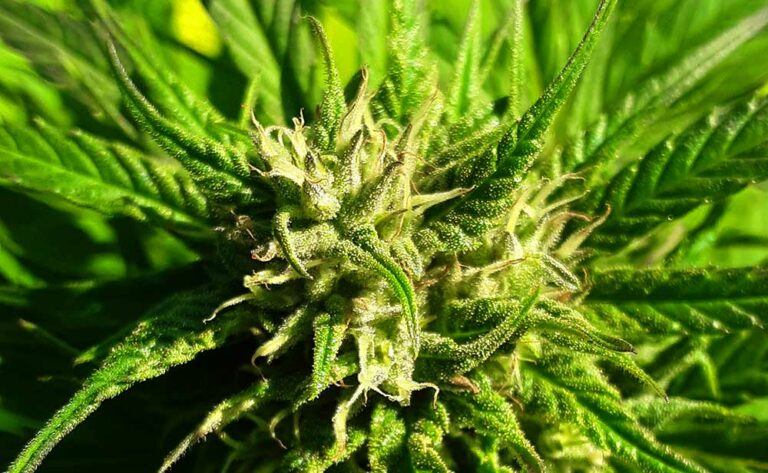
While our body’s ECS produces its own endocannabinoids, the cannabis plant produces similar molecules called “phytocannabinoids” that we can introduce to the ECS to produce certain effects. CBD is one of these phytocannabinoids (tetrahydrocannabinol, or THC, is another phytocannabinoid from cannabis that produces the mental “high” associated with marijuana).
Mechanisms of CBD
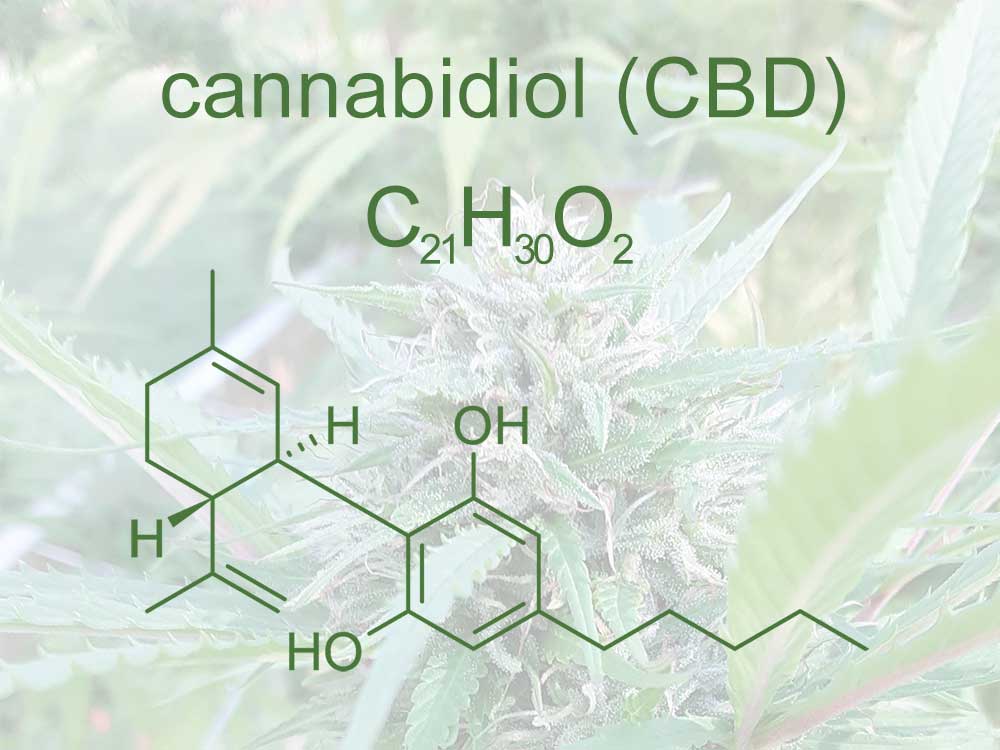
CBD’s chemical structure prevents it from binding well with the cannabinoid receptors in the brain, which is thought to explain why CBD isn’t intoxicating in the way that THC is. Instead of binding to the cannabinoid receptors, CBD works in other ways to modulate various physiological functions. CBD is known as a “pleiotropic” drug meaning it produces many effects through multiple molecular pathways. More than 70 molecular targets of CBD have been identified.

For example, CBD targets TRPV1, 5-HT1A, PPARγ, and L-type Ca2+ channels. This is understood by researchers to be the source of CBD’s anti-anxiety effects as well as alleviating chronic pain, reducing inflammation, and antioxidation. CBD has also been shown to induce apoptosis (cell death) in different cancer cell lines.
CBD is sometimes used to treat epilepsy, particularly certain forms like Dravet Syndrome that resist treatment from conventional pharmaceuticals (the case of Charlotte Figi is probably the most famous example of CBD being used successfully to manage epileptic seizures in children). Researches believe CBD reduces the frequency and severity of epileptic seizures through its interaction with the GPR55 receptor.
Another way CBD acts is by delaying the “reuptake” of endogenous neurotransmitters (such as anandamide and adenosine) and by enhancing or inhibiting the binding action of certain G-protein coupled receptors. This is thought to be a primary way that CBD elevates mood.
CBD’s anti-anxiety effect comes from its ability to activate the 5-HT1A (hydroxytryptamine) serotonin receptor. This G-coupled protein receptor is involved in a range of biological and neurological processes such as anxiety, addiction, appetite, sleep, pain perception, nausea, and vomiting.
By activating PPAR-gammas (peroxisome proliferator activated receptors) on the surface of a cell’s nucleus, CBD has been shown to shrink some cancer tumors as well as degrading amyloid-beta plaque, a key molecule linked to Alzheimer’s disease.
CBD and the Skin
CBD topicals are known for their anti-inflammatory, antioxidant, antimicrobial, lipostatic, and wound-healing properties. Applications of CBD on skin have been shown to reduce pro-inflammatory cytokines and increase IL-10 levels, an anti-inflammatory.

Future Research
While researchers have made some amazing discoveries in recent years and our understanding of how CBD continues to grow, there’s still plenty to learn about how exactly the cannabidiol molecule interacts with our ECS. As more studies are published and clinical practice continues, our picture of CBD’s exact mechanisms will come further into focus.